 |
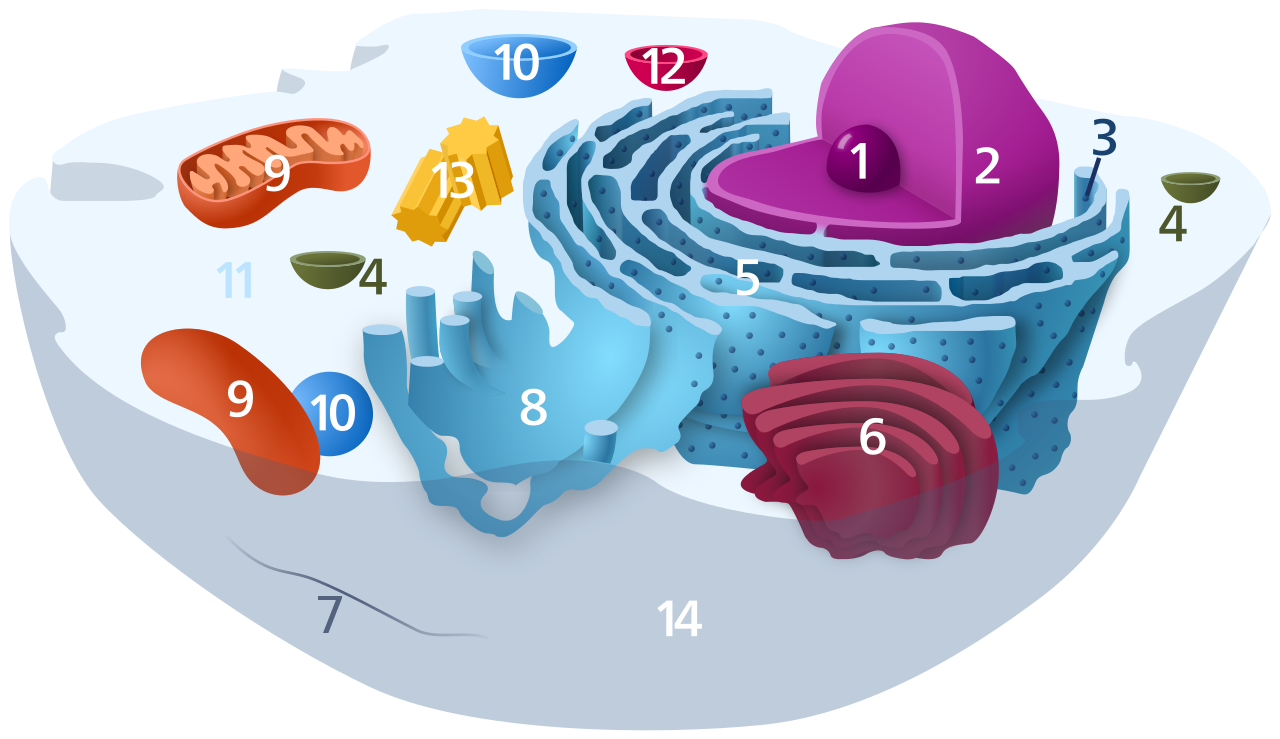
| "Parts is parts" |
Is human DNA only the unique DNA->mRNA strands sent to the Ribosomes in the Cytoplasm (see second short video below).
If so, then human DNA has been detected in eDNA, because when I was searching in my SQL tables containing Modern Human DNA and ancient Greenland eDNA, I found eDNA matches in several different human chromosomes (1, 2, 3, 6, 11, 14, 17, and X, etc.) so far; see appendixes (NFO 1, NFO 2, and NFO 3) for examples of DNA->mRNA strands (e.g. "ATG*TTA*AAC*CAT*CCC*TGC*ATC*CCT*GGT*ATG*AAA*CCC*ACT*TGA" as explained earlier in this series).
But if many different eukaryotes (human, non-human) contain some identical DNA->mRNA strands then at least we have detected that the beginning of these strands (in humans etc.) are 2-3 million years old at least.
And since those DNA->mRNA strands are found in multiple human chromosomes in today's humans, one wonders how they ended up in that 2-3 million year old Greenland environment eDNA (if there were no "humans" back then).
Furthermore, I have barely "scratched the surface" of the amount of FASTQ files available at the project (ENA Browser).
I will continue to search the gigabytes of data as a public service.
The next post in this series is here, the previous post in this series is here.
No comments:
Post a Comment